Introduction
In the heart of Spain, where culinary traditions have been preserved for centuries, one dish stands as a true symbol of heritage and flavor — Lechazo. Known as roast suckling lamb, Lechazo is a cornerstone of Castilian cuisine, particularly in regions like Burgos, Valladolid, and Segovia. This delicacy, celebrated for its tender meat and rich aroma, has earned its place as one of Spain’s most cherished gastronomic treasures.
Whether served in rustic taverns or Michelin-starred restaurants, Lechazo represents more than a meal — it’s a cultural experience that connects diners with Spain’s pastoral roots and timeless culinary artistry.
What Is Lechazo?
“Lechazo” comes from the Spanish word leche (milk), referring to lambs that are still milk-fed. Traditionally, Lechazo is prepared using lambs that are less than 35 days old and weigh no more than 6 kilograms. These young animals are exclusively fed on their mother’s milk, resulting in meat that is extraordinarily tender, juicy, and delicately flavored.
This specific preparation is protected under the Protected Geographical Indication (PGI) “Lechazo de Castilla y León,” which guarantees authenticity and high quality. Only lambs from specific native breeds — such as Churra, Castellana, and Ojalada — can be certified as true Lechazo.
The Art of Preparing Lechazo
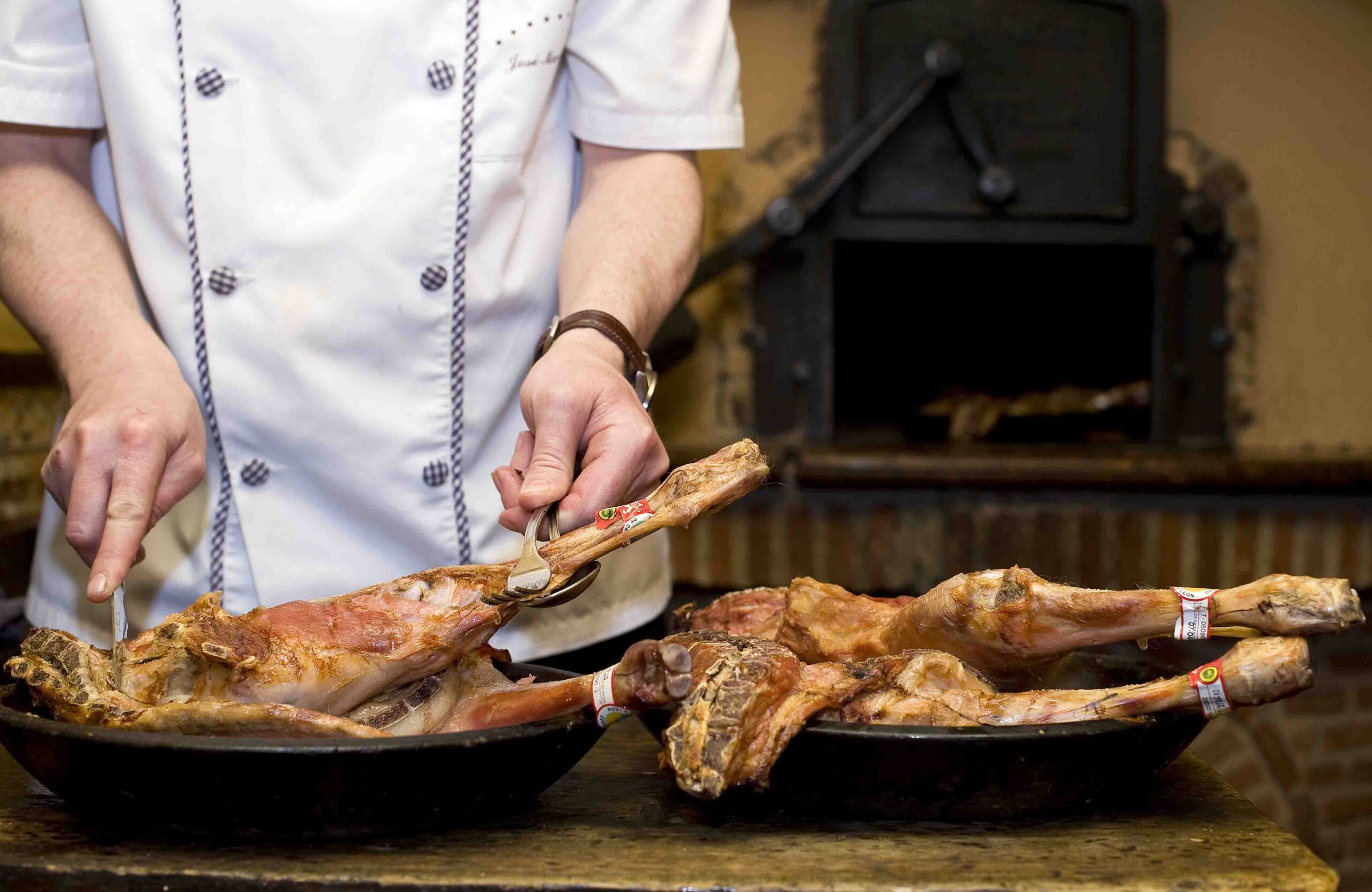
What makes Lechazo truly special is not just the quality of the meat but the simplicity of its preparation. Traditional Lechazo is roasted in a wood-fired clay oven, which imparts a smoky aroma and ensures even cooking. The dish requires minimal seasoning — just water, salt, and occasionally olive oil or lard.
The Classic Recipe: “Lechazo Asado al Horno de Leña”
- The lamb is divided into quarters or halves and placed skin-side down in a traditional clay roasting dish.
- Water is added to keep the meat moist during the long roasting process.
- It’s then cooked slowly for two to three hours, with the skin turned toward the end to achieve a golden, crispy texture.
The result? A tender, melt-in-your-mouth interior surrounded by a perfectly crisp, caramelized crust — a true testament to the skill of Castilian roasters.
The Cultural Heritage Behind Lechazo
Lechazo is more than just a dish; it’s a symbol of Castile and León’s pastoral heritage. Historically, lamb has been central to the region’s shepherding culture, where raising livestock was not only a way of life but a vital part of the local economy.
Every village in the region has its own asador (roasting house), often family-run for generations, specializing in perfecting the balance of heat and timing that defines authentic Lechazo. Visiting one of these establishments is considered a rite of passage for food lovers exploring Spain’s interior.
Where to Experience the Best Lechazo
If you’re traveling through Spain, there are few culinary experiences as unforgettable as dining in a traditional asador.
- Aranda de Duero (Burgos) – Known as the “Capital of Lechazo,” this town hosts numerous renowned restaurants where Lechazo is the star of the menu.
- Peñafiel (Valladolid) – Famous for its wine and Lechazo pairing; visitors can enjoy roast lamb alongside a glass of Ribera del Duero red.
- Segovia – Though famous for its roast suckling pig, many restaurants also serve exquisite versions of Lechazo.
Pair your meal with a local wine, a simple salad, and rustic bread, and you’ll experience a taste of Spanish history on your plate.
Nutritional Benefits of Lechazo
While indulgent, Lechazo also offers nutritional benefits when enjoyed in moderation.
- High-quality protein – Supports muscle repair and overall vitality.
- Essential vitamins and minerals – Such as zinc, iron, and vitamin B12, crucial for energy and immune function.
- Healthy fats – Lechazo’s natural fat content contributes to its tenderness and flavor without excessive greasiness.
As with most traditional Mediterranean dishes, balance and moderation are key — Lechazo is best enjoyed as part of a wholesome meal complemented by vegetables and local wine.
Modern Twists on a Classic Dish
While the traditional wood-fired method remains the gold standard, modern chefs are reinventing Lechazo with creative techniques and global influences:
- Sous-vide Lechazo ensures perfect tenderness before crisping in a high-heat oven.
- Herb-infused marinades featuring rosemary, thyme, or garlic add layers of flavor.
- Fusion cuisine brings Lechazo into contemporary fine dining, pairing it with ingredients like truffle, quinoa, or Mediterranean spices.
These modern interpretations preserve the essence of Lechazo while introducing it to new audiences around the world.
Why Lechazo Remains Timeless
In an age of fast food and fleeting culinary trends, Lechazo endures because it represents something deeper — authentic craftsmanship and a deep connection to land, animals, and family tradition. The simplicity of the recipe allows the natural flavors to shine, while the communal act of sharing a roast embodies the warmth of Spanish hospitality.
For locals, Lechazo evokes nostalgia — memories of family gatherings and Sunday lunches. For visitors, it offers a window into Spain’s soul: rustic, passionate, and steeped in heritage.
Conclusion
Few dishes capture the spirit of Spain like Lechazo. From the serene pastures of Castilla y León to the glowing clay ovens of Aranda de Duero, this tender roast lamb unites history, craftsmanship, and flavor in every bite.
Whether you’re savoring it in a centuries-old asador or exploring modern culinary twists, Lechazo is a dish that defines Spain’s timeless love for good food, good company, and cultural pride.
It’s not just a meal — it’s an experience, one that lingers on the palate and in the heart long after the last bite.